
The AT Scholars 2027 Cohort
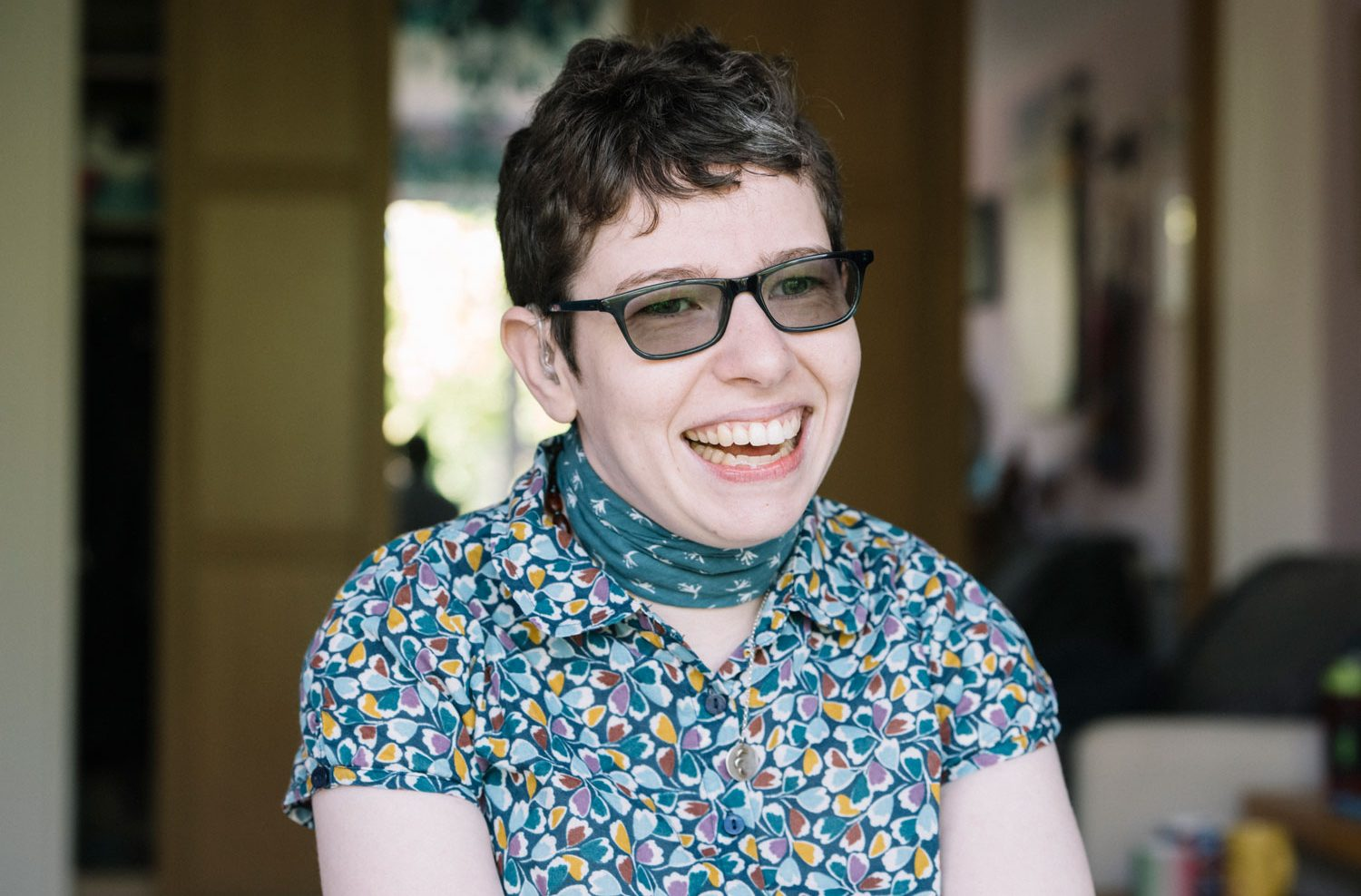
Beth Moulam
Beth wears three professional hats, with Assistive Technology (AT) playing a central role in her work as a social policy researcher, author and AAC advocate. She has been advocating for, and alongside, AAC users for 30 years. This commitment led her to study social policy at the University of York, culminating in an MRes focused on AAC and the use of research, alongside lived experience, to influence policy and practice.
Beth has both a personal and professional interest in emerging technologies, particularly the impact of artificial intelligence on AAC users’ lives. Her research interests also include the relationship between AAC use and mental wellbeing, an area where the perspectives of AAC users remain underrepresented.
A multi-award-winning advocate, Beth was named among the UK’s most influential grassroots and community advocates in the Shaw Disability Power 100 and was awarded an honorary Doctor of Health by Manchester Metropolitan University in 2024. She is also the author of How to Live AudAACiously: The Ultimate Lived Experience Guide to AAC, a practical handbook written by an AAC user for AAC users, families and support networks.
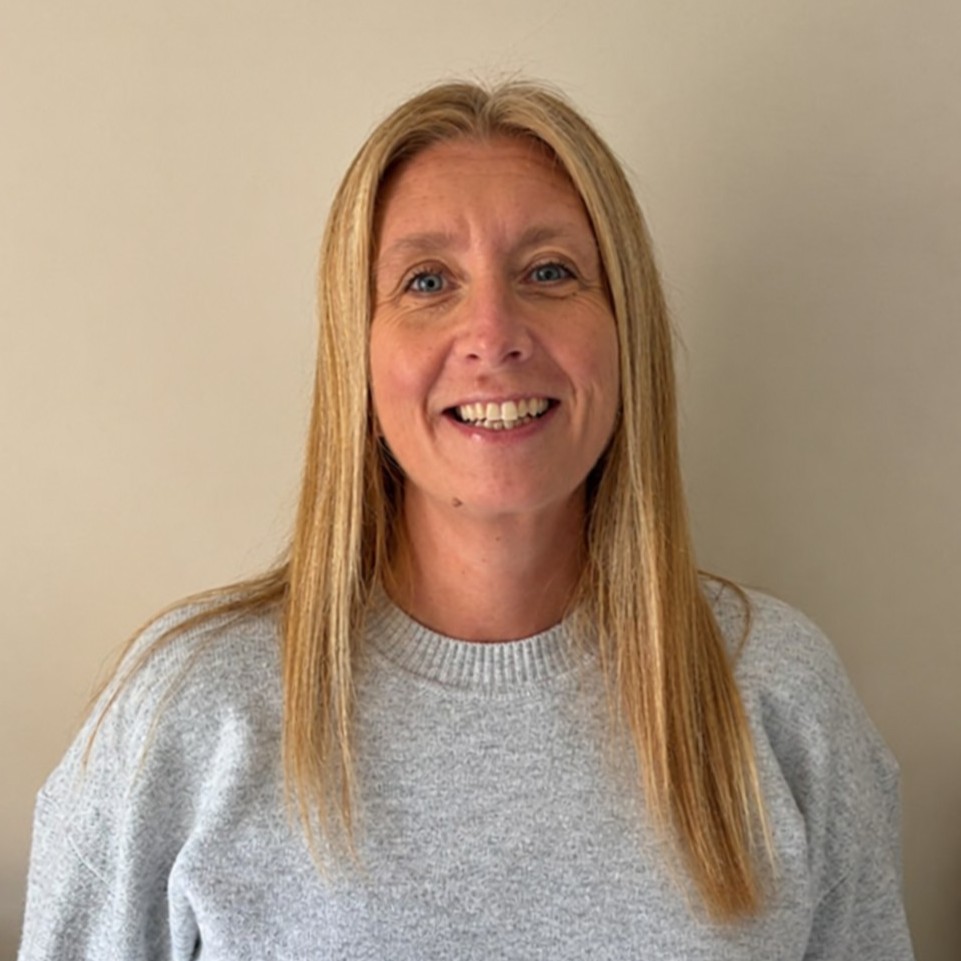
Helen Dunn
Helen is a Senior Speech and Language Therapist with over 22 years’ experience across a range of paediatric services. For the past six years, she has worked within Witherslack Group’s in-school Clinical Team, supporting children and young people with SEND.
Helen’s passion for speech and language therapy began while working at a summer camp for adults with cerebral palsy, where she witnessed first-hand the transformative impact of communication support. This experience inspired her career and sparked a lifelong interest in Augmentative and Alternative Communication (AAC).
Since qualifying, Helen has been committed to helping children and young people communicate effectively and achieve their potential. She has led the implementation of AAC across educational and clinical settings and has delivered AAC training to professionals in the UK and internationally. Helen is passionate about ensuring every child and young person has access to the communication tools and support they need to succeed.
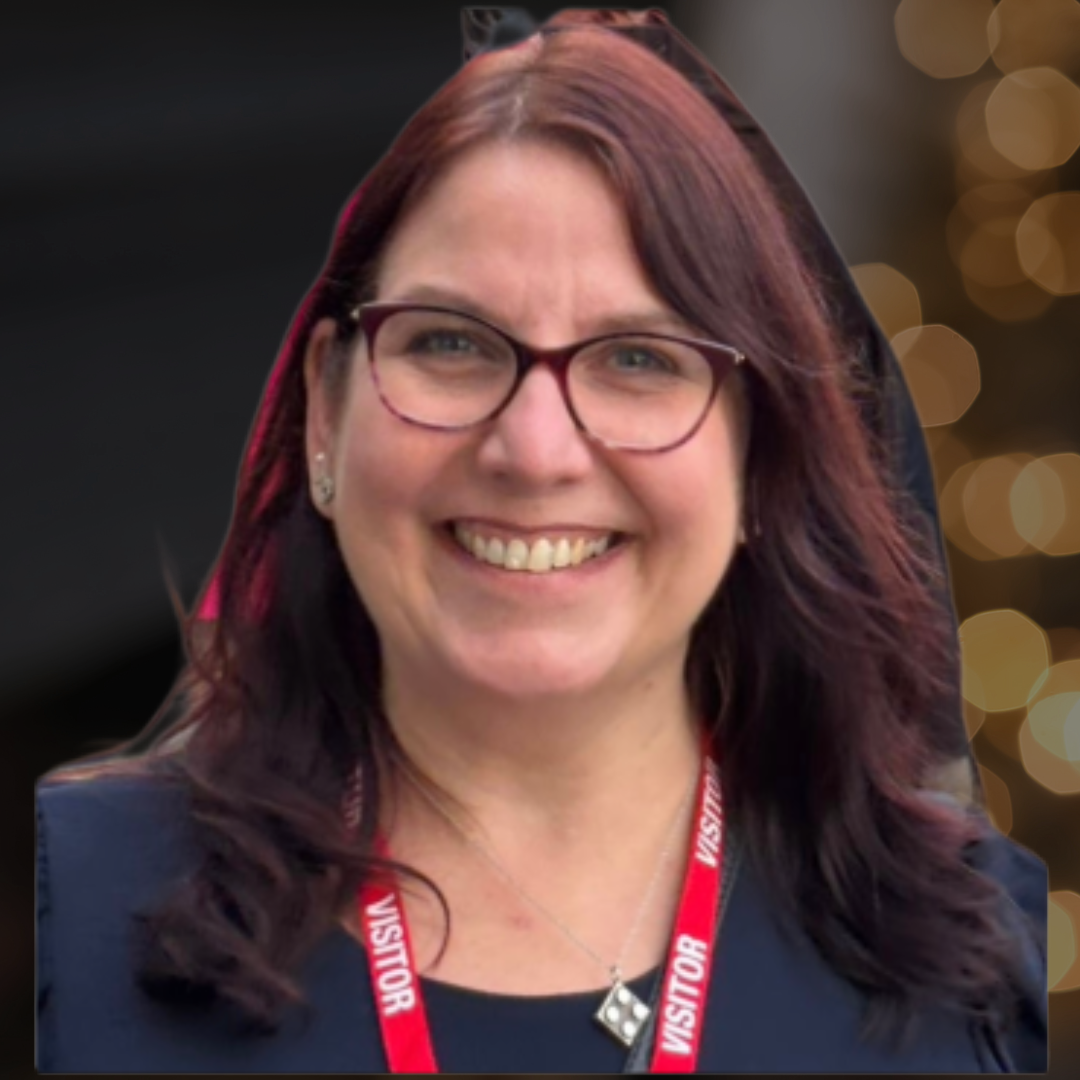
Helen Redman
Helen is the founder of OpenED Ltd, a specialist organisation dedicated to improving adult literacy, confidence and independence through the effective use of assistive technology and specialist strategies. With a background in SEND-focused education, she designs training and support that help adults with dyslexia, low literacy and processing differences make the most of everyday technologies.
Her work focuses on practical solutions such as text-to-speech, dictation, digital planners, reading supports and AI-powered writing tools. By working closely with education providers, businesses and learners, Helen demonstrates how affordable and accessible technologies can transform reading, writing, organisation and independence.
Helen is a strong advocate for assistive technology as an everyday tool that enables people to learn, work and live with greater confidence.
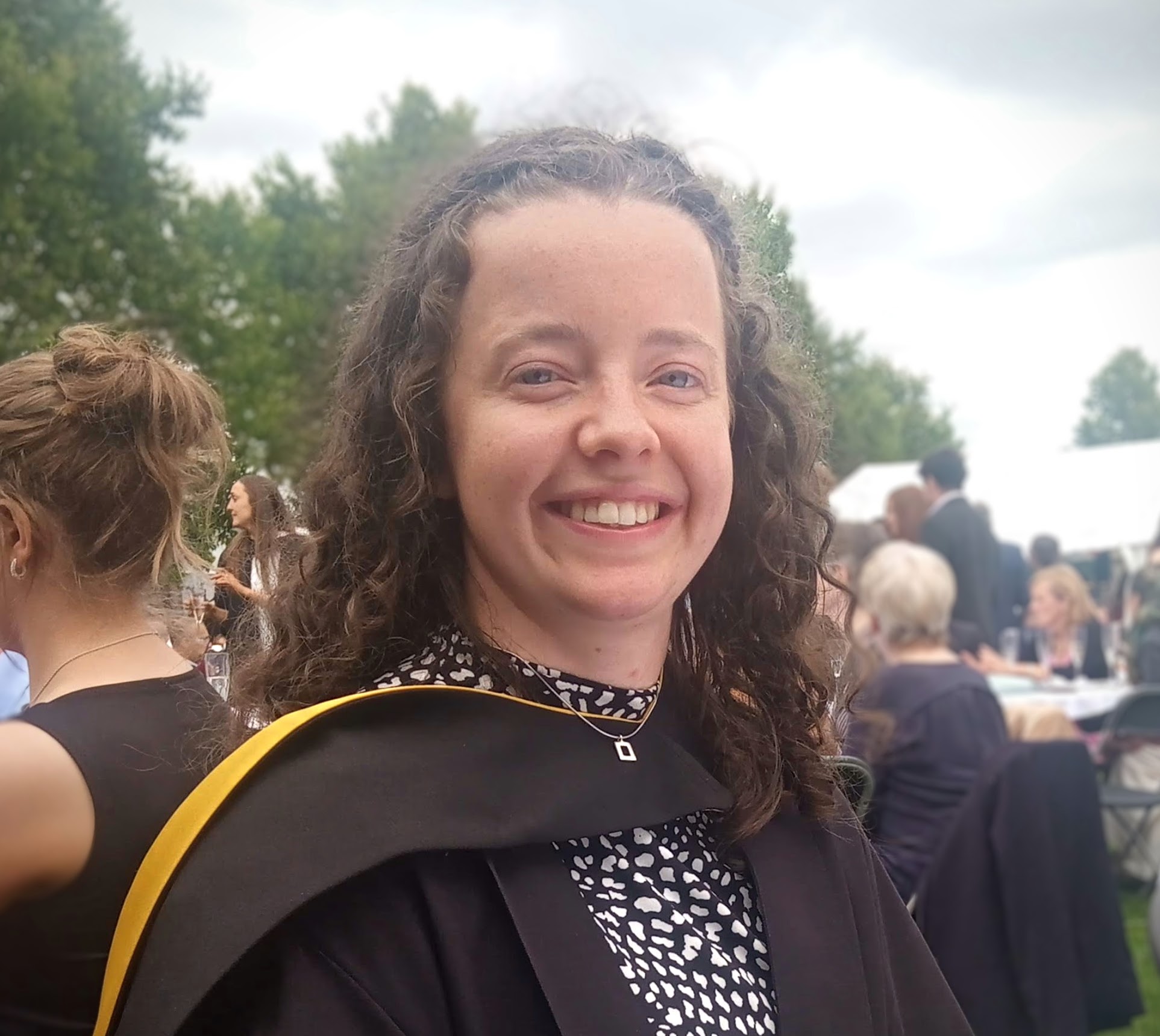
Rhona Payne
As Assistive Technology & Alternative Formats Officer at the University of Dundee, Rhona Payne supports disabled learners to develop the skills, confidence and strategies they need to succeed in higher education through the effective use of assistive technology.
With a specialist interest in the impact of Generative Artificial Intelligence on assistive technology, Rhona’s MSc research in Educational Assistive Technology explored disabled learners’ perspectives on using Microsoft Copilot to support exam revision. She has presented her research at sector events, including the Cambridge Generative AI in Education Conference.
Rhona also serves as Chair of Atanet, the Scottish Network of Assistive Technologists in Further and Higher Education, leading professional development and networking opportunities for assistive technology specialists across Scotland.

Tina McNichol
Tina is an Occupational Therapist specialising in Assistive Technology, working with children and young people with complex motor impairments at the Craighalbert Centre in Scotland. Her wider clinical experience spans paediatric services supporting children with developmental, physical and complex needs.
Since joining her current role, Tina has helped establish assistive technology provision within the centre, developing individual access profiles, introducing switch access and supporting the use of alternative access methods and environmental controls. She is particularly interested in adapting activities and curricula so that children can participate through their own preferred access methods and achieve greater independence.
As an AT Scholar, Tina is looking forward to learning from international experts, exploring innovative approaches and bringing new ideas back to Scotland. She hopes to use the experience to strengthen the centre’s development as a national resource and to share learning across the profession.


Follow Ace Centre on social media
Follow us on Twitter
Watch our latest videos via our YouTube channel here
Like us on Facebook here